


What is the Role of a Registered Nurse in Today’s Healthcare Environment?
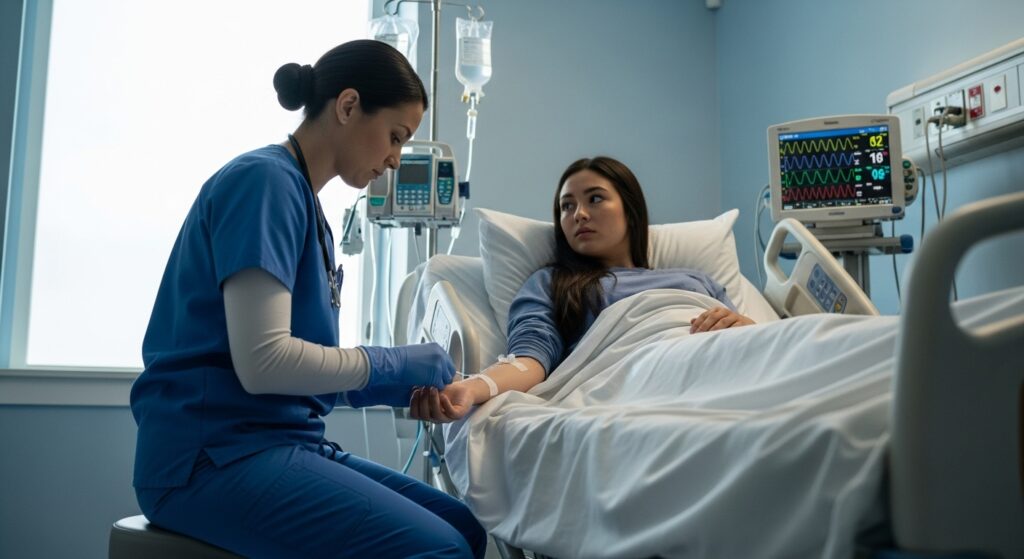
Registered Nurses help people during some of the hardest moments of their lives. They care for patients and support entire medical teams. Their work touches every part of healthcare, and many patients remember their RN long after they leave the hospital.
Today’s Registered Nurses (RNs) balance hands-on care with patient teaching. They bring skill, calm energy, and steady support to places that can feel stressful or confusing. That is what makes them such a trusted part of healthcare.
What is the Role of a Registered Nurse in Today’s Healthcare Environment?
Registered nurses play an important role in today’s healthcare environment.
RNs Give Direct Care That Patients Feel Right Away
At the bedside, RNs check vital signs, give medications, and watch for symptoms. They stay close to each patient, often noticing things before anyone else. For example, a patient feels lightheaded after surgery. The RN checks their vitals, spots a drop in blood pressure, and calls the surgical team. That simple act keeps recovery on track.
RNs Help Patients Understand Their Care
Healthcare can feel confusing, especially when you’re scared or sick. RNs explain things in plain language, so patients know what to expect.
RNs Respond Fast When Something Changes
RNs keep a close eye on each patient. They pick up on signs that something is wrong and act fast. For example, a heart patient may seem more tired than usual. The RN checks the monitor and catches irregular heartbeats. They alert the cardiologist and help prevent a crisis.
RNs Keep the Care Team Connected
RNs act as the link between doctors, labs, techs, and the entire care team. They track updates, confirm orders, and solve problems before they slow things down. What if a lab test gets delayed due to missing details. The RN calls the doctor, clears up the issue, and gets the test moving again.
RNs Stand Up for Their Patients
Some patients struggle to speak up. Others do not understand their options. RNs step in and make sure their needs are heard.
RNs Bring Comfort When Stress Is High
Many patients are scared during treatment. RNs offer steady support that helps them feel less alone. For example, a patient waits for biopsy results and feels anxious. The RN sits with them, listens, and talks through the next steps. The patient feels calmer and more prepared.
RNs Work with New Technology Every Day
Today’s healthcare relies on digital tools. RNs work with electronic records, digital alerts, and online test results. What if a system alert warns about a drug interaction. The RN can catch it early and reaches out to the doctor. That helps avoid harmful reactions.
RNs Help Keep Facilities Safe and Clean
RNs protect patients and staff by following strict infection-control steps. They teach others how to reduce the spread of illness. If a patient has a contagious condition, the RN quickly sets up rules for isolation. This protects others and keeps the unit safe.
RNs Work in Many Different Settings
You can find RNs in hospitals, clinics, schools, home health, long-term care, urgent care, and many other places. They adapt to each setting and bring the same level of care wherever they work.
What Is Today’s Healthcare Environment?
Healthcare looks very different today than it did a decade ago. Patients have more needs, technology advances quickly, and medical teams work under heavy pressure. These changes shape how care is delivered every day. Understanding this environment helps people see what patients face right now.
Patient Needs Are More Complex Than Before
People are living longer, but many deal with long-term health issues like diabetes or heart disease. These conditions often require several treatments at once. Patients may juggle medications, testing, therapy, and follow-up visits. This creates a steady flow of care that must stay organized to work well.
Many patients also want a more active role in their care. They use apps, online portals, and home devices to track their health. This makes communication more open between patients and their care teams.
Technology Shapes How Care Is Delivered
Technology has become a big part of today’s healthcare environment. Digital records help nurses and doctors share information quickly. This reduces delays and keeps everyone on the same page. Video visits are now common and help people who cannot travel easily. Patients can send updates, photos, or test results straight from their phone. Wearable devices offer even more insight by tracking heart rate, sleep, or activity levels. This helps medical teams spot changes before they grow into bigger problems.
Healthcare Workers Manage Heavy Workloads
Hospitals and clinics stay busy, and many teams face staffing challenges. Nurses often handle more patients, and doctors see more cases each day. Good teamwork is key in this kind of environment. Clear communication helps prevent mistakes and keeps patients safe.
Some Patients Still Struggle to Access Care
Even with new tools and options, many people still face barriers. Rural areas may have few clinics. Some patients cannot afford certain treatments or lack transportation. These issues lead to delays that can affect health long-term. To help, many health systems use mobile clinics, telehealth, and community outreach programs. These services bring care closer to the people who need it most.
Why RNs Matter Now More Than Ever?
Healthcare is busier and more complex than ever before. Patients deal with longer treatments, chronic conditions, and new technologies. RNs bring stability to all of it.
They support patients at their most vulnerable moments. RNs guide families through stressful choices, help doctors stay informed and focused, and take action before problems grow.
Their impact reaches far beyond the shift they work.
Final Thoughts
RNs shape the patient’s experience. They bring skill, empathy, and steady teamwork to every situation. Patients trust them because they show up with care, attention, and real support. If you want a career that uses both heart and skill, nursing offers a path where your work makes a clear difference every day.
LPN to RN Program
The LPN to RN program provided by the OBC is 44 weeks or 4 quarters long. The LPN to RN program covers patient care skills, medical knowledge and critical thinking and decision-making skills. Once you graduate from the LPN to RN program, you will be fully qualified to take the NCLEX-RN Exam to become licensed as an RN in Ohio and 38 additional states as part of the Multi-State Compact License.
Contact us today to learn more about our LPN to RN program.