
Trade School After High School: A Different Path to Career Training
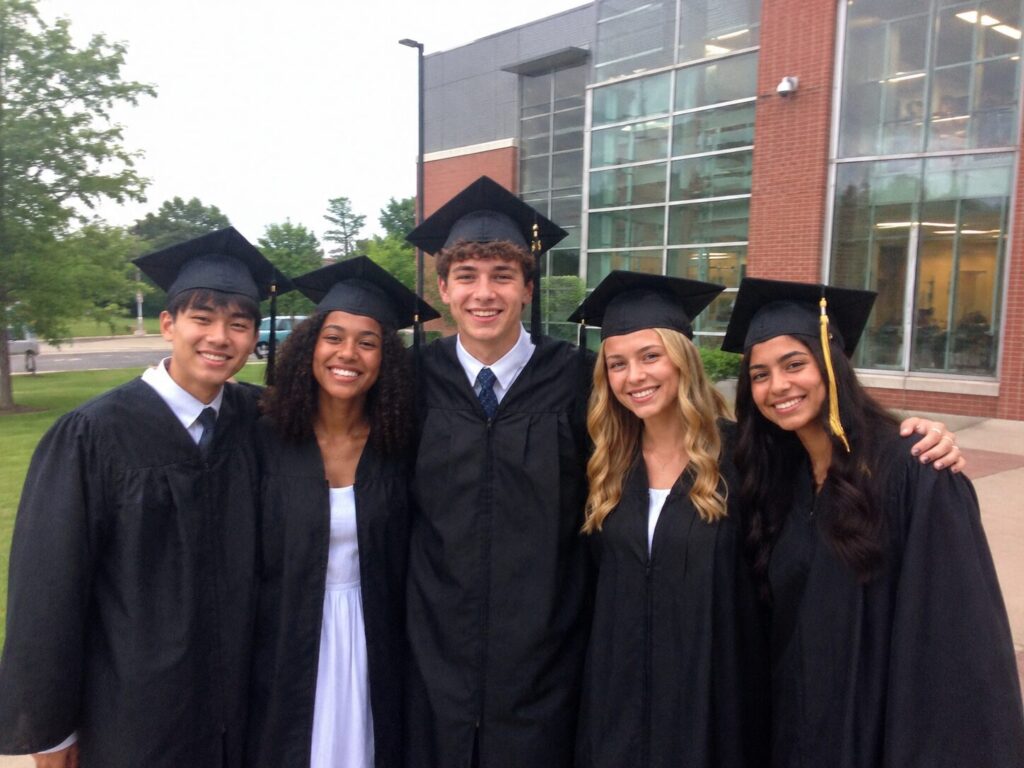
Trade school after high school is a path more students are looking at when they realize a four-year college isn’t the only option available. For some students, trade school makes more sense because they focus on hands-on learning and specific skills tied to real jobs. For others, trade careers offer a chance to start building experience without spending years in general education classes first.
I remember talking with students who felt like everyone around them already had a plan. Some friends were heading to universities. Others had picked majors before graduation. Meanwhile, they were still trying to figure out what they actually wanted to do. That’s more common than people think. A lot of students know they want a career. They just aren’t sure they want the traditional college route.
Why More Students Are Considering Trade School After High School
One thing that surprises many high school seniors is how quickly graduation arrives. For years, the conversation is about getting through classes, sports, part-time jobs, and weekend plans. Then suddenly people start asking what you’re doing after graduation.
Some students have an answer right away. Many don’t. I’ve talked with students who enjoyed working with their hands in shop class. Others liked fixing things at home. Some wanted to work in healthcare because they had watched a family member go through a medical issue.
What they had in common was this:
- They wanted a clear path.
- They didn’t want to spend years taking classes unrelated to their career goals before getting started.
- That’s one reason trade schools continue to attract students looking for career-focused training.
What Trade School Is Actually Like
Many students picture classrooms that look exactly like high school. Then they visit a trade school lab for the first time. The environment is usually different from what they expected.
In an electrical training lab, you might see students working with wiring systems, learning safety procedures, and practicing skills they’ll use on job sites. In an HVAC lab, students may spend time working on heating and cooling equipment instead of simply reading about it in a textbook. Healthcare students often practice skills in lab settings before working with patients during clinical experiences.
One student described it this way: “The first time I actually worked on equipment instead of just reading about it, everything started making sense.” That feeling comes up often. Students gain confidence when they can connect what they’re learning directly to real tasks.
Trade School Programs Students Can Start After High School
Different students are interested in different careers. That’s why career-focused training can look very different depending on the program.
Electrical Applications
Students interested in electrical work often enjoy problem-solving. The first time you look at wiring diagrams, it can seem confusing. Then an instructor walks through the process step by step. Eventually, those diagrams begin to make sense. At OBC, Electrical Applications training is available through the Sheffield Village, Columbus and Dayton campuses. Students learn electrical safety, wiring concepts, blueprint reading, and other skills commonly used in the field.
HVAC Applications
Some students discover HVAC after helping a family member troubleshoot a furnace or air conditioning problem. Others simply like working with mechanical systems. HVAC training gives students opportunities to work with equipment, tools, and systems they may encounter on the job.
Many students say they enjoy seeing immediate results. You diagnose a problem. You fix it. The system starts working again. That kind of feedback can be satisfying.
Practical Nursing
Healthcare training is different. Many nursing students remember their first patient interaction.
It’s normal to feel nervous. Even students who are confident in the classroom often feel butterflies before entering a clinical setting. Then something changes. The patient asks a question. You help them. You realize you’re capable of more than you thought. Practical Nursing students learn patient care skills while gaining clinical experience in healthcare settings.
LPN to RN Pathway
Some students know they want to continue growing in nursing. An LPN to RN pathway allows licensed practical nurses to continue building their education and responsibilities. Many nurses say their confidence grows over time. The situations that once felt intimidating become part of the daily routine. OBC offers an LPN to RN pathway at its Sheffield Village campus.
Trade School vs College After High School
This isn’t really a question of which path is better. It’s a question of which path fits your goals.
Traditional colleges often include general education requirements along with coursework related to your major. Trade schools focus more directly on career-specific training.
A student who wants to become an electrician may prefer spending more time learning electrical systems. A student in healthcare may prefer beginning patient care training sooner. Neither choice is right for everyone. They’re simply different paths. The important thing is understanding what each path actually looks like before making a decision.
What Students Usually Worry About Before Enrolling
Almost every student has doubts. Some worry they won’t be able to handle the coursework. Others worry they’re choosing the wrong career. I’ve heard students ask questions like:
- “What if I start and realize I don’t like it?”
- “What if everyone else knows more than I do?”
- “What if I’m not good enough?”
Those concerns are normal. Most students begin with little or no experience. That’s why they’re in training. Nobody walks into their first lab already knowing everything. Confidence tends to build one class at a time. One skill at a time. One successful day at a time.
What Makes OBC Different
One thing students often notice about OBC is the focus on career-specific training. Programs are built around practical skills connected to specific career paths. Students can explore Electrical Applications, HVAC Applications, Practical Nursing, and LPN to RN training depending on their interests.
Another advantage is campus accessibility. OBC serves students through campuses in Lorain, Sheffield Village, Elyria, Columbus, and Dayton. For many students, visiting a campus helps answer questions they didn’t even know they had. You can see the labs. Meet instructors. Talk with admissions staff. And get a better sense of whether the environment feels right. Sometimes that visit helps make the decision much easier.
Is Trade School Right for You?
Some students learn best by doing. Others prefer traditional academic settings. That’s why it’s important to be honest about how you learn. If you enjoy working with equipment, practicing skills, solving problems, helping people, or seeing the results of your work firsthand, trade school may be worth exploring.
You don’t need years of experience. You don’t need to have every detail figured out. Most students start with questions. They learn the answers along the way.
Frequently Asked Questions (FAQs) About Trade School After High School
Is trade school a good option after high school?
For many students, yes. Trade school can provide career-focused training in fields such as electrical work, HVAC, and nursing. The right choice depends on your goals and learning style.
How long does trade school usually take?
Program length varies by school and field of study. Many trade school programs can be completed in less time than a traditional four-year degree program.
What careers can I train for at a trade school?
Students may train for careers in electrical work, HVAC, healthcare, nursing, information technology, and other skilled trades.
Can I attend trade school if I don’t have work experience?
Yes. Many students begin training directly after high school with little or no prior experience.
Explore Trade School Programs at OBC
If you’re researching alternatives to college after high school, it may be worth taking a closer look at OBC. Schedule a campus visit. Talk with admissions. Ask questions. Walk through the labs.
Sometimes seeing the training environment for yourself tells you more than hours of online research ever could. And that’s often when students start to picture themselves there.
employment with confidence.
Want to Learn More?
OBC offers stellar career education programs for Ohioans. The quality instruction is affordable and comprehensive, giving students the best education for their money with the added convenience of living at home.
If you are interested in trade and healthcare programs, let OBC answer any questions. Contact us today to learn more about our programs.